Product Switching vs Cancelling a Credit Card in Canada
Before you cancel a card you no longer want, consider a product switch. Here's how switching works at Canadian banks, what you keep and lose, and when cancelling is still the right call.
By Andrew Updated How we review cards

A product switch (also called a product change, transfer or upgrade/downgrade) moves your existing credit card account to a different card from the same issuer, usually without a new application. Cancelling closes the account entirely. Switching often lets you keep your points and your account history while dropping an annual fee you no longer want to pay. Cancelling is cleaner when you’re done with that bank or its rewards program.
This guide explains how each option works at Canadian issuers, what you keep and lose, and how to decide.
What a product switch is
When you switch, the issuer changes the card product attached to your account. Typical examples:
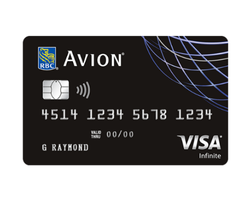
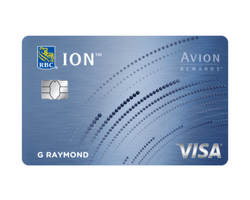
- Moving from the RBC Avion Visa Infinite ($120 annual fee) to the no-fee RBC ION Visa after you stop travelling as much.
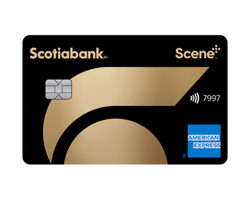
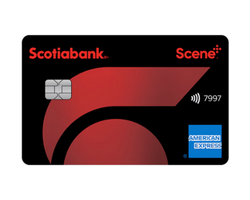
- Moving from the Scotiabank Gold American Express to the no-fee Scotiabank American Express and keeping your Scene+ points.
- Upgrading from a no-fee card to a premium card at the same bank.
You usually ask by phone, through online banking or in a branch.
What Scotiabank says happens when you switch
Scotiabank publishes unusually detailed terms for credit card upgrades, and they’re a good illustration of what to expect anywhere:
- No credit check. “Scotiabank will not perform any credit check as part of this card upgrade.”
- It can’t be reversed. Once processed, you can’t undo the switch.
- New card number. Your upgraded card has a new number, so you’ll need to update merchants and recurring payments.
- Insurance changes. Coverage on your current card ends once you upgrade, and the new card’s coverage starts. Submit any claims before you switch; claims submitted beforehand stay active until resolved.
- Promotional rates don’t carry over. A promotional interest rate on your current card won’t apply to the new card. Regular rates apply.
- Points stay put. Scene+ points don’t change because of the upgrade, and cash back balances transfer automatically.
- Annual fee. You agree to pay the new card’s annual fee whether or not you activate it.
- Supplementary cards are reissued as the new card.
Other banks have their own processes. Whether a switch involves a credit check depends on the issuer and on the move. Moving to a card with a higher income requirement may require you to confirm you qualify. Ask before you agree.
What happens to your points
This is usually the main reason to switch rather than cancel.
- Same program, same bank. If the new card earns the same points (Scene+ to Scene+, Avion to Avion, Aeroplan to Aeroplan), your balance usually stays with you.
- Different program. Moving from a points card to a cash back card may mean you need to redeem first. Ask what happens to your balance before you switch.
- Bank-owned programs and cancellation. If you cancel, bank-owned points are often forfeited after a grace period, or immediately. BMO’s terms, for example, give you 90 days after cancellation to redeem BMO Rewards points or reinstate them by linking them to a new BMO Rewards account; after that, they expire. American Express Membership Rewards points are generally lost when you close your last card that earns them, so redeem or transfer them first.
- Co-branded programs such as Aeroplan and PC Optimum keep your points in your program account, separate from the card. Cancelling the card doesn’t delete them, though you lose any card-specific perks.
For help valuing a balance before you decide, see our points value guide.
What happens to your credit score
Neither option is usually dramatic, but they differ.
Switching keeps the account open. Your available credit and account history continue, so there’s normally no effect beyond any inquiry the issuer performs.
Cancelling can affect your score in two ways:
- Credit utilization rises if you carry balances on other cards, because your total available credit drops. Our credit scores guide explains why utilization matters.
- Your mix of open accounts changes. A closed account in good standing still appears on your credit report for a period, but it’s no longer an active, open line.
If the card is your oldest or your only card, or it has a large limit, a switch to a no-fee card protects your credit profile better than cancelling.
What you can lose by switching
Switching isn’t free of trade-offs:
- Future welcome bonuses. Most Canadian issuers’ offer terms exclude existing cardholders who switch into a card. Scotiabank goes further: anyone who held any Scotiabank personal card in the past two years isn’t eligible, including people who switch. If you wanted the bonus on the new card, switching usually forfeits it. See our welcome bonus eligibility guide.
- Insurance continuity. Your old card’s coverage ends. If you have an upcoming trip booked on a premium card, the trip cancellation coverage may depend on that card. Our travel insurance guide explains why.
- Promotional rates. A balance transfer promo may end the moment you switch. Pay it off or check the terms first. See balance transfers explained.
- Card-specific perks, such as lounge passes, free checked bags or a NEXUS credit.
When cancelling is the better choice
Cancel when:
- You’re leaving the bank or its rewards program entirely, and you’ve redeemed your points.
- The issuer has no no-fee card you’d actually use.
- You want to reduce the number of open cards to simplify your finances or limit temptation.
- You’d like to apply for that card’s welcome bonus again later, and the issuer’s rules count from cancellation rather than opening. (CIBC’s terms, for example, count cards cancelled within the last 12 months.)
How to cancel properly
The Financial Consumer Agency of Canada’s guide to cancelling a credit card lists three steps:
- Contact your issuer by phone or in writing, and ask for written confirmation that the account is closed. Cutting up the card, letting it expire or simply not using it does not cancel the account.
- Check your statements afterwards. Pre-authorized payments, such as a gym membership, may keep charging the closed account. Interest continues on any remaining balance.
- Check your credit report about 30 days later to confirm the account shows as closed.
Before step 1, redeem or move your points, move recurring payments to another card, and pay down the balance if you can.
Timing around annual fees
Annual fees are a common trigger for both decisions.
- Look at the date your annual fee posts, and decide before then.
- Ask your issuer whether it refunds the annual fee, fully or partly, if you switch or cancel soon after it posts. Policies differ by issuer and card, and the cardholder agreement is the place to check.
- Some issuers offer a retention offer, such as bonus points or a fee credit, when you call to cancel. There’s no guarantee, and it’s fine to ask.
A simple decision path
- Do you still want a relationship with this bank or program? If no, redeem your points and cancel.
- Is there a no-fee card from the same issuer that earns the same points? If yes, a switch keeps your points and history.
- Do you have pending insurance claims, an upcoming trip, or a promo balance? Settle those first.
- Are you hoping to earn a welcome bonus on a new card at this bank? Check its eligibility rules before switching or cancelling, since either can affect it.
FAQ
Is a product switch a hard credit inquiry? Scotiabank says its upgrades don’t involve a credit check. Practices at other issuers vary, and an upgrade to a card with higher income requirements may be treated differently. Ask before you confirm.
Will my credit card number change if I switch? Usually yes. Scotiabank, for example, issues a new card number with an upgrade. Update any merchants that store your card.
Can I switch back later? Usually you can request another switch, but Scotiabank says an upgrade itself can’t be reversed. You also won’t get a welcome bonus for switching back.
What happens to my additional cardholders? They’re normally moved to the new card. Scotiabank reissues supplementary cards automatically.
Should I downgrade instead of cancelling my first credit card? Often yes. Keeping your oldest account open on a no-fee card preserves available credit and an active account. Compare options on the no annual fee hub.
What to do next
If you’re switching because a premium card no longer pays for itself, our premium cards guide shows how to run the numbers. If you’re looking for a replacement, the no annual fee hub and premium hub are good places to compare.