Are Premium Credit Cards Worth the Annual Fee in Canada?
A premium card is worth it only if you will use the membership — lounges, credits, insurance, or earn you cannot get at $0. Year-two math is the real test.
By Andrew Updated How we review cards

A premium Canadian credit card is worth the annual fee when the benefits you will actually use exceed that fee in year two — after the welcome bonus is gone. If the case for the card is “the signup points are huge,” you are describing a first-year stunt, not a card you should keep. If the case is lounge access, a travel credit you will book, trip insurance you would otherwise buy, or earn rates on spend you already put on plastic, the fee can be rational.
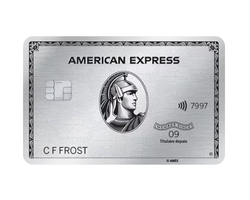
“Premium” on this site means a higher CAD annual fee (our hub currently uses a $120 cut) and names like Visa Infinite Privilege, World Elite, Reserve, and The Platinum Card. Browse the live set on the premium hub. Student products and basic cash-back cards that only meet the fee cut are excluded there on purpose.
Pay in full. Premium purchase rates and cash-advance rates are not a feature.
The only math that matters
Use this order. Do not start with the welcome banner.
- Write the current annual fee from the live card page, in CAD (or USD if it is a USD card — do not mix).
- Subtract credits you are certain you will use. Amex travel and dining credits count only if you will book the portal and eat at participating restaurants. Unused credits are a higher fee. NEXUS credits count only if you need NEXUS and do not already have a statement credit elsewhere.
- Subtract insurance you would otherwise buy, at the price you actually pay, only if the certificate covers you (age, trip length, pre-existing conditions).
- Add extra earn versus a $0 card on spend you already make. If Tangerine already pays 2% on grocery, the “premium grocery rate” is only the gap, not the full 4%.
- Ignore the welcome bonus for the keep/cancel decision. Use it only to decide whether year one is a cheap trial.
If the remainder is still negative and you will not use lounges, skip the card. If it is roughly zero and you like the travel extras, the card is a paid hobby, not a mistake.
| Premium shape | You are buying | Skip it if |
|---|---|---|
| Amex Platinum | Lounge collection, credits, hotel programs | You travel once a year and will forget the credits |
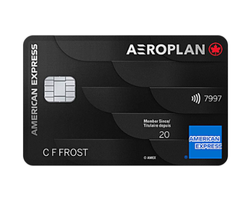
| Aeroplan Reserve | Air Canada earn and Maple Leaf-style benefits | You do not fly AC as a habit |
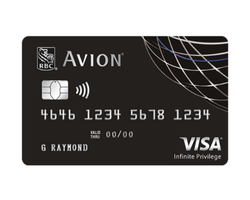
| Avion Infinite Privilege | Higher Avion earn, higher income bar | Groceries and dining will not use the extra rate |
| Passport Infinite Privilege | More travel / FX / lounge muscle than regular Passport | You rarely pay in foreign currency |
| Mid-fee Infinite (Avion, Aeroplan, Momentum, Dividend) | Earn + some insurance, not a lounge lifestyle | A $0 card already covers the spend |
Confirm live fees on those pages.
Welcome bonuses hide bad fits
Canadian premium welcome offers are large because the fee is large. Amex often splits the bonus across an early spend hurdle and a much later purchase window. Quit in month 12 and you can leave a chunk on the table. Scotiabank excludes recent personal-card holders from many welcome offers. RBC and CIBC print offer end dates.
A first-year “bonus minus fee” snapshot can look fine and still be a bad card in March of year two. Our card reviews show that estimate beside the editorial copy so you can see it — and so you can ignore it when you decide to keep the product.
Never inflate spend to hit a hurdle. That is how premium cards become expensive loans.
Credits are work
Platinum-style credits are not automatic cash. You have to book through the right portal, dine at a participating restaurant, and file the credit the way the issuer wants. If that sounds like a part-time job, you will not do it, and the effective fee stays high.
Bank cards sometimes waive the annual fee if you hold an eligible chequing package. That waiver is part of the price of the package, not a free lunch. Include the account fee if you would not otherwise keep that account.
Additional premium cards are often expensive. Extra Gold or supplementary Infinite cards can cost enough to erase a household earn story. Check additional-card pricing on the live page.
Lounges and the honesty test
Lounge access is worth money if you already arrive early, fly enough times, and use the network the card offers.
- Global Lounge Collection access helps on mixed airlines and foreign airports. On The Platinum Card, that is more than 1,550 lounges (as of June 2026). From January 1, 2027, complimentary Plaza Premium and Priority Pass visits on that card are a limited annual number unless eligible spend on the account hits $20,000 in a calendar year, which unlocks unlimited visits in those two programs for the rest of that year and the next. Other lounges in the collection stay unlimited. Amex does not publish how many complimentary visits you get before that unlock.
- Maple Leaf or Air Canada-centric access helps if that is the lounge you can enter.
- A handful of complimentary passes (regular Passport, in current features) is a different product from that lounge collection.
One delayed departure where you used a lounge can feel like it “paid for the card.” It did not, unless you value that visit at several hundred dollars. Count visits you already take, not the visit you imagine.
Mid-fee cards are premium enough for most people
Many Canadians who ask “is an annual fee worth it” need a $120–$150 Infinite, not Platinum.
- RBC Avion Visa Infinite if you want flexible points.
- TD Aeroplan Visa Infinite if you fly Air Canada and want Visa at the grocer.
- Scotia Momentum Visa Infinite or CIBC Dividend Visa Infinite if you want cash back, not lounges.
- Passport Visa Infinite if FX fees are the pain.
Those cards still fail the test if you travel once a year and grocery spend is small. A $0 card from the no-annual-fee guide is the adult answer.
When the answer is no
Skip premium if you:
- Carry a balance some months.
- Will not use a travel portal or lounge.
- Do not meet the income or assets-under-management bar (do not apply “to see”).
- Already have unused credits on a card you forgot to cancel.
- Are choosing the metal because it looks like the U.S. product. Canadian Platinum, Canadian Gold, and U.S. Gold are not the same card.
Cancel or downgrade before the next annual fee posts if year one was only the bonus. Issuers sometimes offer a retention statement credit; they also sometimes do nothing. Do not count on a retention offer.
What to do next
Scan the premium hub, open two live card pages, and run the year-two list above. For a lounge-and-credits wallet plan, see the premium perks stack. If you want a non-premium short list, use the finder. For travel-currency help, read how to choose a travel card.
Fees and credits change. This is not financial advice. Verify every benefit with the issuer before you apply.