Who this card is for
A good fit if you…
- Travellers who want transferable points instead of locking into Air Canada or WestJet before they know next year’s itinerary.
- People who will put flights, hotels, and other eligible travel on this Visa so the 1.25x category does more than sit in the marketing copy.
- Applicants who meet Visa Infinite-style income figures (personal or household amounts are in the eligibility section) and already bank at RBC.
- Households that pay the statement in full. Avion is not compensation for carrying a balance at the purchase rate.
Skip it if you…
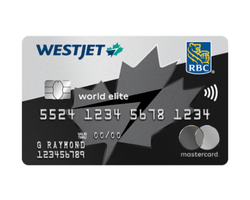
- WestJet-only flyers. Avion can book travel, but the WestJet RBC World Elite Mastercard credits the airline you actually use.
- Air Canada regulars who already think in Aeroplan. A cobrand such as the TD Aeroplan Visa Infinite Card skips the conversion step.
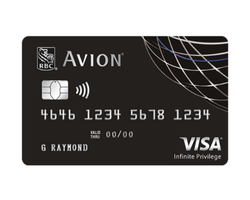
- Anyone who wants 1.25x on groceries and dining, not just travel — that is Infinite Privilege’s pitch, at a much higher fee and income bar.
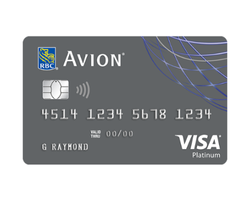
- Applicants who cannot clear the Infinite income test. RBC Avion Visa Platinum is the usual step-down in the same program.
Pros and cons
Pros
- Avion is a bank currency you can hold until a trip appears, rather than a pile of WestJet or Aeroplan that only feels useful on one airline.
- 1.25 Avion points per dollar on eligible travel is a modest but real bump for people who already book trips on a Visa Infinite card.
- The current welcome path pays a chunk of points on approval, then a second chunk after a first-six-months spend — useful if you have a trip already planned.
- Visa Infinite acceptance is straightforward at Canadian merchants that still skip American Express.
- RBC customers can keep the card, Avion, and a chequing account in one login.
Cons
- Base earn of 1 Avion point per dollar on everything else is ordinary. Groceries, gas, and restaurants need a second card if you care about category rates.
- Supplementary cards currently carry their own annual fee, so a family of four is not a rounding error.
- Avion redemptions through RBC’s travel portal or as a statement credit can be worth less than transferring to an airline partner — you have to choose the better door.
- No insurance coverage is listed, so do not assume travel medical coverage. Read RBC’s certificate before you fly on this card alone.
- The welcome-bonus estimate is an “up to” travel value. Cheap domestic tickets and first-class seats are not the same dollar-per-point.
Fees and value: is the annual fee worth it?
First-year snapshot (estimate)
- Annual fee
- $120
- Estimated welcome bonus value
- up to $1,100
- Bonus minus fee (estimate)
- $980
This is a simple comparison of the estimated welcome-bonus value against the annual fee. It ignores rewards on spending, credits you have to remember to use, and interest if you carry a balance. Offers change — verify with the issuer.
Use the fee table above. The headline annual fee and the detail line currently agree, which is cleaner than some RBC and TD premium cards.
Set that fee beside the estimated welcome-bonus value. Year one can look attractive if you are a new applicant who also hits the first-six-months spend, because a large share of the advertised Avion arrives early.
Year two is the fee versus 1.25x travel and 1x everything else — a weaker story unless you book enough travel, or you value Avion well above a 1% cash-back card. Additional cards are extra.
Offers change; the current eligibility text names an offer end date, so do not assume the same bonus will be waiting in the fall.
Rewards and earn rates explained
Rewards program: Avion
This card earns RBC Avion points. Eligible travel purchases earn 1.25 points per dollar; other eligible purchases earn 1 point per dollar.
Those are the listed rates — a grocery store that sells suitcases, a travel agency coded as retail, or a third-party booking site can land in the 1x bucket. Avion can typically be used for flights and hotels through RBC, converted toward other rewards, or (for people who know the partner list) moved toward airline programs.
Transferring is usually how Avion earns its reputation; cashing out is how it disappoints. If you already know you will fly WestJet this year, compare this against the WestJet RBC World Elite rather than assuming flexibility is free.
If you want the same 1.25x on every purchase, that is Infinite Privilege, not this card.
Welcome bonus: how to unlock it
Get up to 55,000 Avion points
The current offer is two steps, not one: a welcome deposit of Avion points on approval, then a second deposit if you post a listed amount of qualifying spend in the first six months. You need both to match the “up to” point total and the estimated dollar value.
Eligibility is described as generally available to new RBC credit card applicants, with an offer expiry date. Transfers from another RBC personal card, and extra cardholders on the account, are the usual exclusions on RBC travel cards — confirm the live terms rather than assuming you can product-change into this bonus.
Do not invent spend to clear the hurdle if that is not already in the budget.
Welcome bonus eligibility: Generally available to new RBC credit card applicants. The offer is available until June 15, 2026.
FAQ
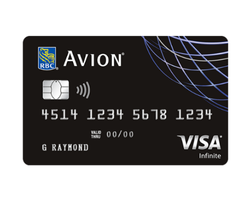
Is the RBC Avion Visa Infinite worth it in 2026?
It is worth it when you want flexible travel points on a Visa Infinite card, will use the 1.25x travel category, and can hit the welcome spend without stretching. It is not worth it as a grocery earner, an Air Canada cobrand substitute, or a card you plan to revolve.
How do Avion points compare with Aeroplan or WestJet Rewards?
Avion is RBC’s currency; Aeroplan is Air Canada’s; WestJet points sit in WestJet Rewards. Avion wins if your next trip is undecided. Aeroplan or WestJet wins if you already fly that airline and would rather skip a transfer. Compare the TD Aeroplan Visa Infinite Card or the WestJet RBC World Elite if you are already loyal.
Does the RBC Avion Visa Infinite charge foreign-exchange fees?
Most Canadian Visa Infinite cards add a foreign-conversion fee on foreign-currency purchases. This Avion card is not marketed as a no-FX product. For trip spend, compare Scotiabank Passport Visa Infinite, and confirm RBC’s current FX rate in the cardmember agreement.
RBC Avion Visa Infinite vs Infinite Privilege?
Infinite Privilege earns 1.25x on all qualifying purchases and is positioned for premium cabin redemptions, at a much higher fee and a $200,000-class income test. Choose Privilege if that is already your spending and income band. Choose Infinite if you want Avion without the premium membership.
What income do I need for the RBC Avion Visa Infinite?
The current eligibility text asks for a minimum personal income or a higher household income, in line with typical Visa Infinite cards in Canada. RBC Avion Visa Platinum is the usual alternative if you cannot meet that bar. Confirm the live RBC application; banks can apply extra credit and residency filters.
Compare related cards and guides
More Canadian credit card lists that match this product, plus a few cards people usually compare it with.
- RBC Avion Visa Infinite Privilege review · RBC · $399 annual fee
- WestJet RBC World Elite Mastercard review · RBC · $139 annual fee
- RBC Avion Visa Platinum review · RBC · $120 annual fee