How to Choose a Travel Credit Card in Canada
Pick the currency you will actually redeem, then the network you can spend on. Airline cobrands suit loyal flyers; flexible points and no-FX Visas suit mixed travel.
By Andrew Updated How we review cards

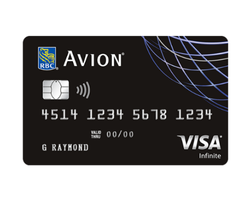
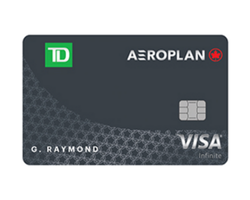
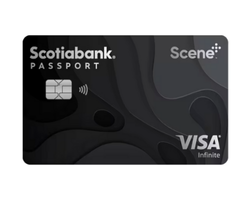
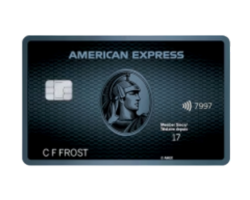
Start with how you fly, not with the largest welcome headline. If most trips are Air Canada, an Aeroplan cobrand such as the TD Aeroplan Visa Infinite is simpler than converting bank points. If you do not want to lock an airline, RBC Avion Visa Infinite keeps the decision open. If the pain is the 2.5% foreign-transaction fee on a Canadian Visa, Scotiabank Passport Visa Infinite is built for that job. If restaurants are the real travel budget at home, Amex Cobalt can fund trips with dining points.
There is no single “best travel credit card in Canada.” There is a best shape for your itinerary, income test, and willingness to use a portal. The travel hub lists every card we currently categorize as travel. This guide is the decision tree.
Pay in full. A 20%-class purchase rate on a travel card will cost more than any lounge pass you skip.
The four travel-card jobs
Canadian travel cards usually do one job well and the others poorly. Name the job first.
| Job | What you actually need | Typical Canadian fit |
|---|---|---|
| Airline loyalty | Points that become the seat you already buy | Aeroplan cobrands (TD, CIBC, Amex); WestJet RBC cards |
| Flexible points | Hold points until a trip appears | Avion, Aventura, Membership Rewards, some Eclipse |
| Cheaper foreign spend | No issuer FX fee, or USD billing | Passport Visas; USD cards |
| Earn at home, redeem away | High everyday multipliers | Cobalt dining; grocery cards you redeem for travel |
A card that tries to be all four usually has a premium fee. That can be rational — see whether premium cards are worth it — but only if you will use the extras.
Step 1: Count trips, not daydreams
Look at the last 24 months, not the trip you might take if points fall from the sky.
- Zero or one short-haul trip a year. A $0 cash-back card plus paying cash for the flight is often cheaper than a $120 travel card you forget to redeem. Use the finder if you want a simple everyday card.
- Two to four mixed trips. Flexible points (Avion, Aventura, Membership Rewards) or a no-FX Visa usually beat a cobrand you will outgrow when the next destination is Europe on a different alliance.
- Air Canada as a habit. Aeroplan cobrands skip conversions. Compare TD (Visa, grocery/gas categories) against American Express Aeroplan (dining, weaker grocery coverage).
- WestJet as a habit. WestJet RBC World Elite credits the airline you fly. Avion can book travel, but it is not a WestJet dollar.
- Hotel-heavy travel. Marriott Bonvoy American Express earns 5 points per $1 at participating Marriott properties and 2 points per $1 on other purchases. After the first year it includes an Annual Free Night Award (room rate up to 35,000 points). The current welcome is up to 70,000 points. Most bank cards are weak hotel earners unless you book a portal.
Income tests matter. Visa Infinite, Infinite Privilege, World Elite, and Amex Platinum/Reserve products have personal or household bars. If you cannot clear Infinite, look at Platinum-tier travel cards such as RBC Avion Visa Platinum or TD Platinum Travel Visa.
Step 2: Pick the currency
Aeroplan is Air Canada and Star Alliance. It is excellent if you understand award availability and poor if you only ever buy WestJet seat sales. Transferring Membership Rewards or Avion into Aeroplan is a tool, not a reason to earn a weaker currency all year.
Avion is RBC’s bank currency. You can hold it, book through RBC, or move it toward airlines later. Base earn on Avion Visa Infinite is ordinary (1x on most spend, a modest travel bump). You are paying for flexibility and the welcome path, not for 5x groceries.
Scene+ on Passport is a travel card first: no FX fees, lounge passes in the current features, and extra Scene+ if you book hotels or cars through Scene+ Travel. Everyday Scene+ grocery earn lives on other Scotia cards. Do not buy Passport to grocery-shop at Sobeys.
Membership Rewards on Cobalt or Gold is a home-earn strategy. Transfer to partners when a trip appears. It is a weak “book the flight on this card for 5x” story unless the merchant codes as dining or travel the way Amex expects.
Aventura is CIBC’s flexible travel pile. Portal bookings often earn more than general spend. If you will not use the CIBC Rewards Centre, the extra points on paper do not exist.
Cash back is a travel card if you are honest. A 2–4% grocery card that you use to lower the Visa bill is a trip fund without award charts. Many households should stop here.
Step 3: Price foreign-transaction fees in CAD
Most Canadian rewards Visas and Mastercards still add a foreign-transaction fee, commonly about 2.5% on the converted amount. On $4,000 of USD and euro spend, that is about $100 CAD before you count the mid-market versus the network rate.
- If that $4,000 is real every year, a no-FX card such as Passport can beat a $0 card that charges FX.
- If you spend in USD and already keep a U.S. dollar bank account, a USD-billed card can remove conversion on USD merchants. It does nothing for euros.
- Canadian Amex personal cards are not no-FX cards: American Express Canada adds a currency conversion commission (commonly 2.5%) set out in each card’s information box. Acceptance abroad is a second trade-off.
Do not double-count. A no-FX Visa and a USD card is only useful if you have both USD bills and multi-currency trips.
Step 4: Insurance is a certificate, not a slogan
Travel medical, trip cancellation, and car-rental coverage are why some Canadians keep a mid-fee Visa Infinite. Insurance coverage is sometimes not listed even when the issuer sells a certificate. Read the certificate. Age caps, pre-existing condition clauses, trip-length limits, and “you must pay the fare on this card” rules are where claims die.
If you already buy annual travel medical because you are over the card’s age cap, do not pay a card fee for insurance you cannot use. If you never rent cars, collision coverage is worth $0.
Lounge access is similarly concrete. Passport’s complimentary passes are a handful per year in current features. The Platinum Card includes American Express Global Lounge Collection access to more than 1,550 lounges (as of June 2026). From January 1, 2027, complimentary Plaza Premium and Priority Pass visits on that card are a limited annual number unless eligible spend hits $20,000 in a calendar year; other lounges in the collection stay unlimited, and Amex does not publish the visit count. Aeroplan Reserve is an Air Canada lounge story. One lounge visit you do not take is not a reason to pay a four-figure fee.
Step 5: Welcome bonuses are first-year money
Canadian travel welcome offers are often split: points on approval, then more after a spend hurdle, sometimes a later anniversary window. Amex and Scotiabank are strict about former cardmembers. Scotiabank’s two-year personal-card exclusion shows up on Passport and Momentum alike.
Treat the bonus as a one-time discount on the first annual fee, not as a lifestyle. Year two is the fee versus ongoing earn plus insurance you will use. If you cannot hit the spend hurdle with planned purchases, skip the offer. Do not force extra spend.
Confirm the live bonus on the card page.
A practical pairing that works for a lot of Canadians
- One travel currency card you will actually redeem (Avion Infinite, Aeroplan Infinite, or Passport).
- One $0 backup network for the till that declines the first card — often Tangerine Money-Back.
- Optional: Cobalt if dining is huge and you want Membership Rewards feeding the same travel habit.
Three paid travel cards is how people leak fees. Cancel or downgrade anything whose credits you did not use last year.
Common mistakes
- Applying for Aeroplan and Avion in the same month “to compare later.” You now have two inquiries and two fees.
- Buying Infinite Privilege because Infinite felt ordinary. Privilege is a higher income bar and a higher fee for better earn — only if groceries and dining will use it.
- Assuming the card’s travel portal is a discount. Portal cash prices can be higher than booking direct. Compare before you burn points.
- Using a travel card in the U.S. without checking FX. A CAD Visa with 2.5% FX is a bad Florida card; a USD card or Passport is the tool.
What to do next
Open the travel hub and read two or three live card pages that match your currency. For a ready-made points wallet, see the points traveller stack. If you want a short list from spend questions, use the finder. If the fee is high, read the premium guide or the premium perks stack before you apply.
Offers, award charts, and insurance certificates change. This is not financial advice. Verify everything with the issuer.