How Credit Scores Work in Canada: Equifax, TransUnion and What Moves Your Score
Your credit score is a three-digit summary of your credit report. Here is what goes into it in Canada, how credit cards affect it, and how to check both bureaus without paying.
By Andrew Updated How we review cards

In Canada, your credit score is a three-digit number, usually between 300 and 900, calculated from your credit report. Two main credit bureaus, Equifax and TransUnion, keep those reports. Paying on time and keeping your balances low relative to your limits do most of the work of building a good score. Everything else is detail, but the details explain a lot of the surprises people run into.
This guide covers what is on your credit report, how scores are calculated, how credit cards in particular affect your score, how long information stays, and how to check your report and score for free.
Credit report versus credit score
The Financial Consumer Agency of Canada (FCAC) explains the difference on its credit report and score basics page:
- Your credit report is a summary of how you have used credit: your credit cards, loans, lines of credit and mortgages, how much you owe, and whether you pay on time. It also includes personal details, inquiries from lenders in the last three years, accounts sent to collections and items like bankruptcies.
- Your credit score is a number derived from that report that estimates how likely you are to repay. Lenders use it, alongside your income and other information, to decide whether to approve you, at what interest rate and with what credit limit.
Credit bureaus update reports at least once a month, using information lenders send them. FCAC notes that Equifax and TransUnion only collect information about your credit activity in Canada, which matters a great deal for newcomers (see our newcomers guide).
Why your two scores are different
You have a report at each bureau, and each bureau has several scoring formulas. Not every lender reports to both bureaus, and lenders may request different score versions. Equifax says on its how credit scores are calculated page that seeing different scores from Equifax and TransUnion is “completely normal.” FCAC also warns that the score you see may differ from the one a lender sees, because lenders can weight information differently.
So don’t chase one exact number. Watch the direction your scores are moving and the information on your reports.
What goes into the score
Credit bureaus don’t publish their exact formulas. Equifax does publish approximate weights for the main factors:
| Factor | Approximate weight (Equifax) | What it means in practice |
|---|---|---|
| Payment history | ~35% | Paying at least the minimum on time, every time |
| Used credit vs. available credit | ~30% | How much of your limits you are using |
| Length of credit history | ~15% | How long your oldest and newest accounts have been open |
| Credit mix | ~10% | Having different kinds of credit managed well |
| Inquiries | ~10% | How often you have applied for new credit recently |
Payment history
This is the biggest piece. A payment more than 30 days late can be reported to the bureaus and stays on your report for years. Paying the full statement balance is best for your wallet, but for your score the key line is paying at least the minimum by the due date. Setting up an automatic minimum payment is a cheap insurance policy against forgetting. Our interest and minimum payments guide explains how due dates and minimums work.
Utilization
Utilization is the share of your available revolving credit you are using. FCAC gives an example: with a $5,000 limit, someone who regularly owes $4,500 may look riskier than someone who owes $1,000. Equifax’s tips for improving your scores say it is typically best to keep utilization at or below about 30%.
Two practical points for credit card users:
- The balance that gets reported is usually your statement balance, not what you owe after you pay. If you put a lot on a card and pay in full after the statement, your reported utilization can still look high. Paying down part of the balance before the statement date lowers it.
- Closing a card reduces your total available credit, which can raise your utilization even if your spending stays the same. That is one reason to think before cancelling; see product switching vs cancelling.
Length of history
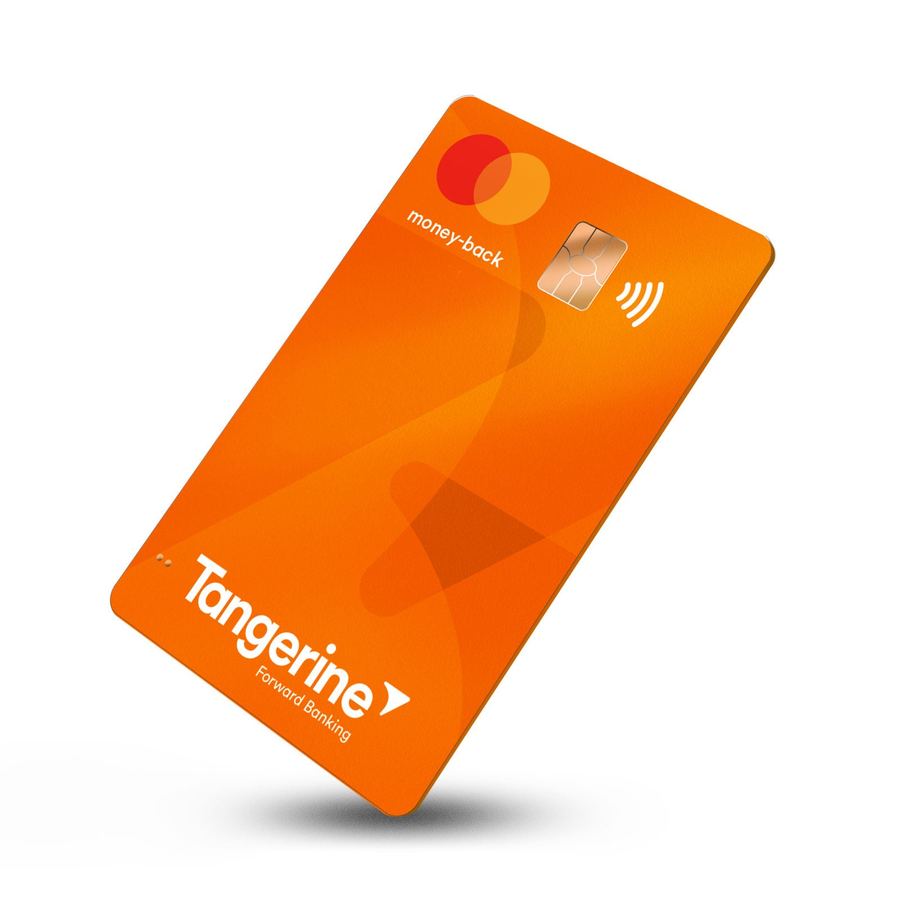
Older accounts help. That is why many people keep their first no-fee card open for years, even if they rarely use it. A no-fee card like the Tangerine Money-Back Credit Card or BMO CashBack Mastercard costs nothing to keep.
Credit mix
Lenders like to see that you can handle different types of credit, such as a credit card and an instalment loan. This is a small factor. Never borrow just to improve your mix.
Inquiries
When you apply for credit, the lender checks your report. Equifax calls these “hard” inquiries, and only these can affect your score. Checking your own report, a lender reviewing your existing account, and pre-approval checks are “soft” inquiries that don’t count. A few hard inquiries are normal. Many in a short period can signal that someone is under financial stress.
Some issuers now offer pre-qualification tools that use a soft check before you apply. Using them can help you avoid applications that are likely to be declined.
How long information stays on your report
FCAC’s page on how long information stays lists these general periods:
- Late or unpaid credit cards and loans: up to 6 years.
- Credit inquiries: 3 years at Equifax, 6 years at TransUnion.
- Consumer proposals: removed 3 years after the debts are paid off, or 6 years after signing, whichever comes first.
- Bankruptcy: usually 6 years after discharge, 7 years at TransUnion in some provinces, and 14 years for more than one bankruptcy.
- Positive information: at Equifax, open accounts in good standing stay while open and closed accounts for up to 10 years. TransUnion keeps information up to 20 years.
The good news is that negative items age. Their impact fades as you build a record of on-time payments on top of them.
How to check your report and score for free
FCAC’s getting your credit report page explains your options:
- Credit reports are free online from both Equifax and TransUnion (TransUnion calls it a Consumer Disclosure). You can also request them by mail or by phone: Equifax at 1-800-465-7166 and TransUnion at 1-800-663-9980.
- Credit scores are free online from Equifax in all provinces and territories. TransUnion includes a free score with the Consumer Disclosure if you live in Quebec or Ontario.
- Some banks show a free score in their apps.
Checking your own report never hurts your score. FCAC recommends checking regularly for errors and signs of fraud, and being careful about third-party sites that ask for personal information.
If you find an error
Contact the credit bureau that shows the error and ask to correct it, and contact the lender that reported it. Keep copies of statements or letters that support your case. Errors in personal details or accounts you don’t recognize can also be early signs of identity theft.
Who can see your report
Lenders, credit card companies, landlords, insurers, phone and utility companies, and employers can all request your report with your consent. FCAC notes that in Nova Scotia, Prince Edward Island and Saskatchewan, a business only needs to tell you it is checking your credit rather than get your consent.
Building a score from scratch
If you have no Canadian credit history, the basic path is the same for everyone:
- Get a first card you can qualify for: a no-fee card, a student card or a secured card. Confirm the issuer reports to the bureaus.
- Use it for small, regular purchases you would make anyway.
- Pay the statement in full and on time every month.
- Leave the account open as it ages.
Being added as an authorized user on someone else’s card is sometimes suggested, but FCAC says purchases you make as an additional cardholder won’t help you build your credit history. See our authorized users guide for the details.
FAQ
What is a good credit score in Canada? Scores range from 300 to 900, and higher is better. Lenders set their own cut-offs, so there is no single number that guarantees approval.
Does checking my credit score lower it? No. Checking your own report or score is a soft inquiry and doesn’t affect it.
How quickly can I improve my score? Lowering high balances can show up within a month or two, once the new balances are reported. Recovering from missed payments takes longer, because late payments stay on your report for up to six years.
Does paying my credit card in full help my score? Paying on time is what helps your payment history. Paying in full also keeps your balances, and therefore your utilization, low over time, and saves you interest.
Do Equifax and TransUnion share information? They are separate companies. A lender may report to one, the other or both, which is one reason your reports can differ.
What to do next
Pull your free reports from both bureaus today and check them for errors. If you are building credit, start with a simple no annual fee card and set up automatic payments.