Credit Cards for Newcomers to Canada: How to Get Approved and Build Credit
Your credit history from home doesn't follow you to Canada automatically. Here is how newcomers get a first card, what the bank programs offer, and how to build a Canadian score quickly.
By Andrew Updated How we review cards

Most newcomers arrive in Canada with no Canadian credit history, even if they had excellent credit at home. The good news is that the big banks run newcomer programs that approve unsecured credit cards without a Canadian credit file, and secured cards are available for almost everyone else. Getting the first card is usually the easy part. Using it well for the first year is what builds the score you will need for an apartment, a car loan or a mortgage.
This guide explains why your history doesn’t transfer, the main routes to a first card, what to bring to the bank, and the habits that build credit fastest.
Why your credit history doesn’t come with you
Canada’s two main credit bureaus, Equifax and TransUnion, only collect information about credit activity in Canada. The Financial Consumer Agency of Canada (FCAC) says so on its credit report basics page. Your report is created when you first borrow or apply for credit here.
FCAC also notes that some lenders may consider credit history from another country, and may ask for a foreign credit report and a meeting with a bank officer. A few programs now go further and connect to foreign bureaus directly, which we cover below.
Until you have a Canadian report, lenders lean on other information: your immigration status, your job and income, how long you plan to stay, and your relationship with the bank.
Route 1: A bank newcomer program
Canada’s large banks all market newcomer packages that bundle a chequing account with a credit card that doesn’t require Canadian credit history. Details change often, so check the bank’s newcomer page before you go. At the time of writing:
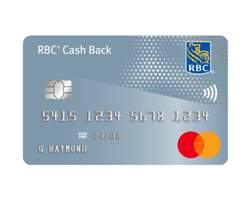
- RBC says on its newcomer credit cards page that newcomers can get an RBC credit card with up to a $15,000 credit limit even with no Canadian credit history, and that international students can get up to a $2,000 limit. Cards like the no-fee RBC Cash Back Mastercard are featured.
- Scotiabank StartRight advertises up to a $15,000 limit on an unsecured card for newcomers on its StartRight credit cards page, and says it works with Nova Credit so you can use the credit score you built in your home country to access a higher limit.
- TD and BMO also publish newcomer credit card pages with their own options and eligibility rules, such as TD’s Credit Cards for Newcomers and BMO’s newcomers page.
Limits like “up to $15,000” are maximums. Your actual limit depends on your income, status and the bank’s assessment. Newcomer programs usually have eligibility windows, such as having arrived within a certain number of years, and different rules for permanent residents, temporary workers and international students.
What to bring
Requirements vary, but plan on:
- Your passport and immigration document (permanent resident card or confirmation, work permit or study permit)
- Your Social Insurance Number, if you have one
- Proof of address in Canada
- Proof of income or employment, such as a job offer letter or pay stubs
- For students, proof of enrolment
Booking an appointment with a newcomer advisor is often faster than applying online, because the advisor can match you to the right program.
Route 2: American Express Global Card Transfer
If you already hold an American Express card issued in another country, Amex may approve a Canadian card based on that relationship. Amex’s Global Card Transfer page sets out the conditions:
- Your existing card must be issued by American Express, and you must be the basic cardholder.
- You must have held it for at least three months and it must be in good standing (or, if cancelled, cancelled within the last three months).
- You need Canadian resident status and a Canadian address, and you provide your foreign card number on the application.
- Only consumer cards issued by Amex Bank of Canada are eligible, and you can apply for only one basic card at first. Additional cards come once you have Canadian bureau history.
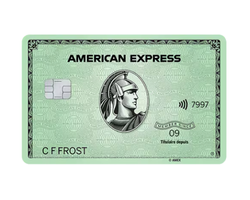
Your foreign account stays separate: balances don’t transfer, and you remain responsible for the foreign card’s fees and balance. Amex notes you can redeem your foreign card’s points before you cancel it. A card like the American Express Green Card or another no-fee option can be a gentle start; keep in mind that some Canadian merchants don’t take Amex (see our Amex acceptance guide).
Route 3: A secured credit card
A secured card asks you to put down a deposit, often equal to your credit limit. You use it exactly like a regular card, and the deposit is returned when you close the account (minus anything you owe). Equifax describes this on its page about establishing credit without a credit history.
Secured cards are useful if you don’t qualify for a newcomer program, for example because of your status or income. Before you sign up:
- Confirm the card reports to Equifax and TransUnion. Equifax points out that a card that doesn’t report won’t help you build history.
- Check the fees. Some secured cards charge an annual fee or a monthly fee.
- Ask how you graduate. Many issuers review the account after a period of on-time payments and may move you to an unsecured card and return your deposit.
Route 4: A student card
International students can often get a student credit card with a modest limit and no annual fee. These are designed for thin credit files. Browse the student cards hub and read our student credit cards guide.
What about being an authorized user?
A family member or partner with Canadian credit can add you to their card. That gives you a card to use, but FCAC’s joint credit cards page says purchases made as an additional cardholder won’t help you build your credit history. Getting a card in your own name is the reliable path. See our authorized users guide.
Your first-year playbook
Building a Canadian credit score is mostly about doing a few simple things consistently. Our credit scores explainer has the detail, but here is the short version:
- Use the card every month for things you already buy, like groceries or a phone bill.
- Pay the full statement balance by the due date. Set up an automatic payment from your chequing account for at least the minimum, so a busy month never turns into a late payment.
- Keep your balance low relative to your limit. With a small starting limit, a few purchases can push your utilization up. Paying part of the balance before the statement date helps. Equifax suggests keeping utilization at or below about 30%.
- Don’t apply for lots of credit at once. Each application is a hard inquiry. Start with one card and add a second after six months to a year of on-time payments.
- Check your credit report. Once you have an account, pull your free reports from Equifax and TransUnion to confirm the account is reporting correctly. FCAC’s getting your credit report page explains how.
- Ask for a limit increase later, not sooner. After several months of on-time payments, a higher limit makes it easier to keep utilization low. FCAC notes that issuers must get your consent before increasing your limit.
Choosing your first card
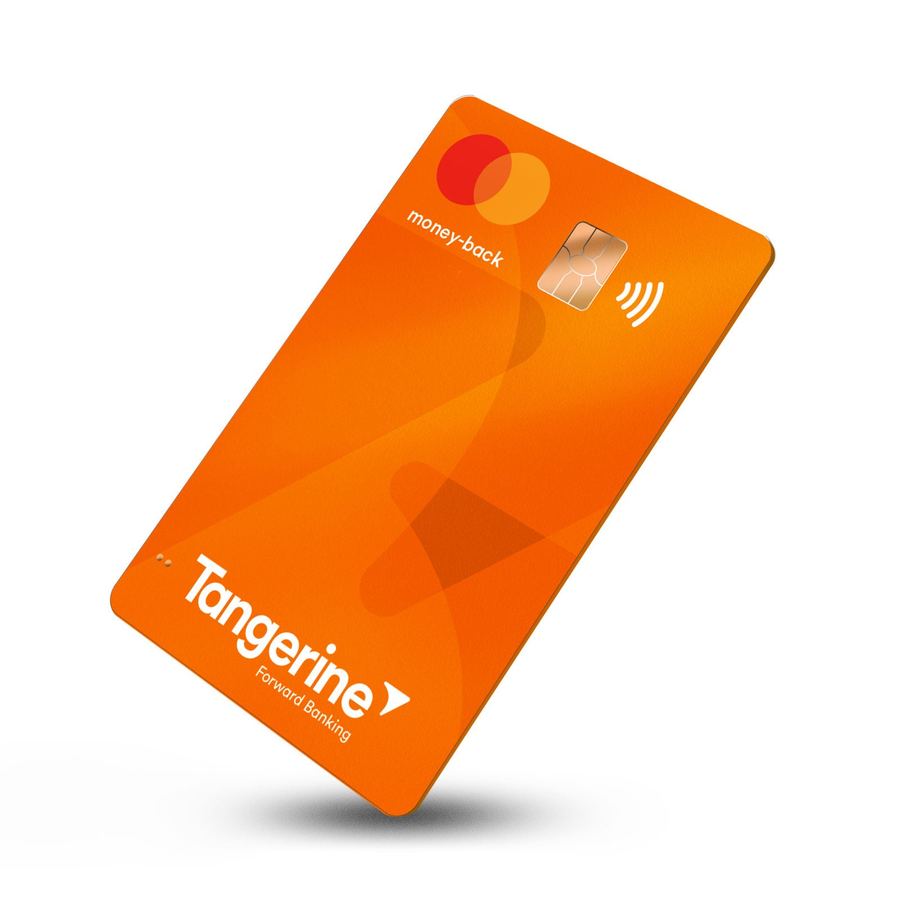
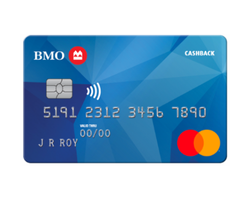
For most newcomers, the first card should be simple: no annual fee, accepted almost everywhere (Visa or Mastercard), and easy to pay from your main bank account. Rewards are a bonus, not the goal. A no-fee cash back card from your bank, like the RBC Cash Back Mastercard, the BMO CashBack Mastercard or the Tangerine Money-Back Credit Card, is a sensible starting point. Compare options on the no annual fee hub.
Hold off on premium travel cards with high income requirements until your file is established; our Visa Infinite and World Elite guide explains why those requirements exist.
FAQ
Can I get a credit card in Canada with no credit history? Yes. Bank newcomer programs approve unsecured cards without Canadian credit history, and secured cards are widely available.
Does my credit score from my home country count in Canada? Not automatically. Canadian bureaus only track Canadian activity. Some lenders and programs, such as Scotiabank’s partnership with Nova Credit or Amex Global Card Transfer, can take foreign history into account.
How long does it take to build credit in Canada? Your report starts when you open your first account. A few months of on-time payments create a basic history; a year or more of good habits makes a much stronger file.
Should a newcomer get a secured or unsecured card? If you qualify for a bank newcomer program, an unsecured card is usually simpler and doesn’t tie up a deposit. A secured card is a good fallback if you don’t qualify.
Do I need a Social Insurance Number to apply? Banks may ask for it to help identify you with the credit bureaus. Ask the bank what it requires for your situation.
What to do next
Book an appointment with a newcomer advisor at the bank where you plan to keep your chequing account, or compare simple first cards on the no annual fee hub and cash back hub.