Credit Card Mobile Device Insurance in Canada: How Phone Coverage Really Works
Many Canadian credit cards now cover your phone if it's lost, stolen or broken, as long as you bought or financed it on the card. Here's how payouts are calculated and what trips people up.
By Andrew Updated How we review cards
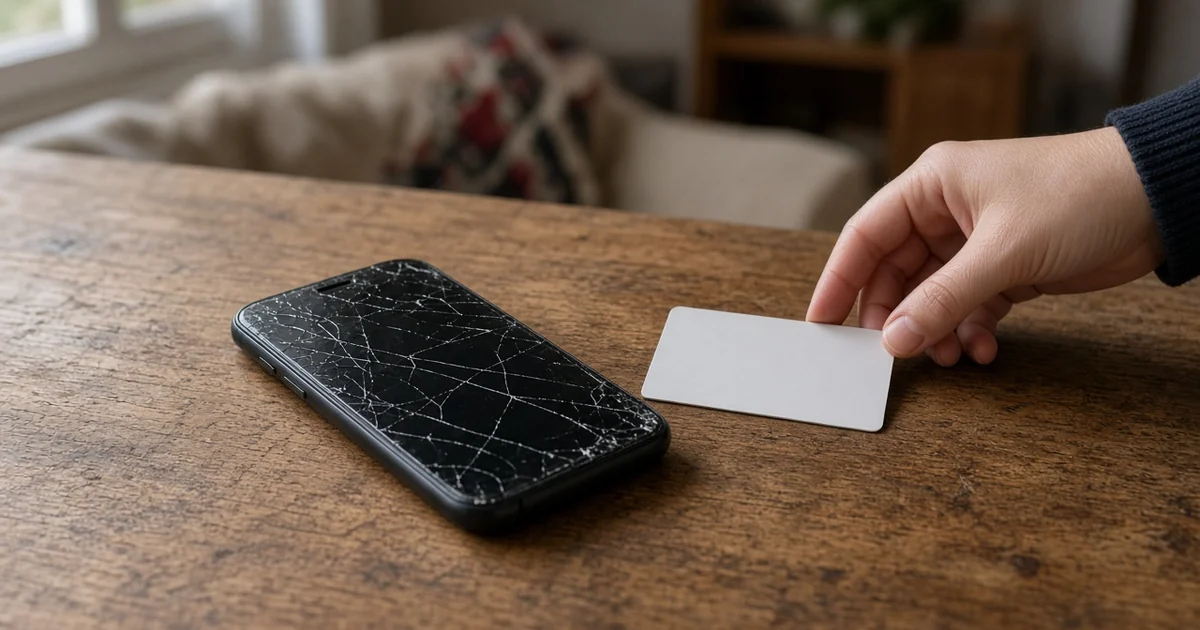
Mobile device insurance on a credit card can repair or replace your phone if it’s lost, stolen or damaged, usually up to $1,000 or $1,500, as long as you bought it with the card or paid for it through monthly carrier charges on the card. It’s a useful backstop, but it’s not the same as a new-for-old replacement. Payouts are typically reduced for depreciation and a deductible, and claims are limited.
This guide explains how this coverage works on Canadian cards, how a payout is calculated, and how to decide whether you still need carrier insurance or a manufacturer plan.
What it typically covers
Coverage varies by card, but the common pattern is:
- Eligible devices: mobile phones, and on some cards tablets or other handheld devices. Check the definitions.
- Covered events: loss, theft and accidental damage (a cracked screen, water damage). Some cards also cover mechanical breakdown after the manufacturer’s warranty.
- Coverage period: usually up to two years from purchase.
- Maximum benefit: commonly $1,000 or $1,500 per claim, sometimes per insured person.
Here’s how a few cards describe it, from issuer pages in October 2026:
| Card | Maximum coverage | Notes |
|---|---|---|
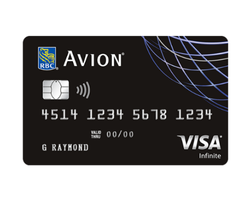
| RBC Avion Visa Infinite | Up to $1,500 | Loss, theft, accidental damage and mechanical failure; device bought with the card and/or Avion points; up to 2 years |
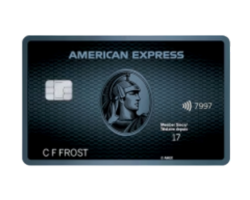
| American Express Cobalt | Up to $1,000 per insured person | Theft, loss or accidental damage; charge or finance the device on the card |
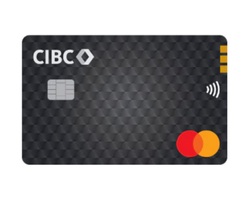
| CIBC Costco Mastercard | Up to $1,000 | Fully charge or finance the device’s purchase price on the card |
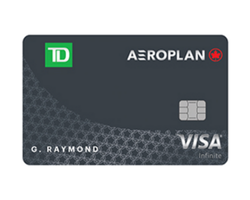
| TD Aeroplan Visa Infinite | Up to $1,000 | Loss, theft, accidental damage or mechanical breakdown |
| Brim World Elite Mastercard | Up to $1,500 | World Elite coverage limit |
Sources: the issuers’ card pages (for example, Amex’s Cobalt page, CIBC’s Costco Mastercard page, and Brim’s personal credit cards page) and RBC’s certificate of insurance. Many no-fee cards include no mobile device coverage at all.
How you have to pay for the phone
This is the condition people most often miss. Coverage generally applies only if:
- You bought the phone outright on the card, or
- You financed it through your carrier and charge the device payments to the card. For financed phones, many certificates require that the monthly device payments go on the card, sometimes every month from the start of the plan. If one month’s bill was paid another way, coverage may not apply.
Amex says Cobalt coverage begins on the date of the first transaction related to the purchase, or on the 91st day after purchase, so that it doesn’t overlap with the card’s 90-day Purchase Protection plan.
Read your certificate’s wording on financed devices before you set up the carrier account, and set the card as the carrier’s automatic payment method.
How the payout is calculated
Credit card device coverage is usually not “get the same new phone.” Common features include:
- Depreciation. The covered amount often drops for each month you’ve owned the phone, commonly around 2% a month from the purchase date.
- Deductible. A percentage of the claim, often around 10%, is subtracted.
- Lesser of repair or replacement. If repair costs less than replacement, the insurer generally pays for repair.
- The cap. The payout can’t exceed the card’s maximum.
Example, using those common figures (your certificate may differ):
- Phone bought for $1,400 on the card, damaged beyond repair after 10 months.
- Depreciation: 10 months × 2% = 20%. Depreciated value: $1,400 × 80% = $1,120.
- Deductible: 10% of $1,120 = $112.
- Payout: $1,120 − $112 = $1,008, capped at $1,000 on a $1,000-limit card.
You usually pay for the repair or replacement first and are reimbursed after the claim is approved.
Claim limits and conditions
Certificates commonly limit how often you can claim. RBC’s Avion Visa Infinite coverage, for example, allows one claim in any 12-month period and two claims in any 48-month period.
Other conditions you may see:
- Get approval before repairing. RBC’s certificate requires you to contact the insurer before a repair.
- Report theft or loss quickly. For example, notify your carrier promptly (RBC’s terms specify within 48 hours) to suspend service, and file a police report for theft.
- Keep documents: original receipt or carrier agreement, card statements showing the charge, repair estimates, police report numbers, and the damaged device if it’s repairable.
- Secondary coverage. Card insurance usually pays after any other insurance you have, such as a carrier plan or home insurance.
What’s usually excluded
- Cosmetic damage that doesn’t affect function.
- Devices lost or stolen from an unattended vehicle or public place without reasonable care, depending on wording.
- Intentional damage, misuse, or unauthorized repairs.
- Accessories, data and software.
- Used or refurbished devices on some cards.
Card coverage vs. carrier insurance vs. manufacturer plans
| Credit card coverage | Carrier device protection | Manufacturer plan (e.g. AppleCare+) | |
|---|---|---|---|
| Monthly cost | Included with the card | Monthly fee | Upfront or monthly fee |
| Theft and loss | Often included | Depends on plan | Depends on plan and region |
| Payout | Usually depreciated, minus deductible | Replacement device, with a deductible | Repair or replacement, with service fees |
| Speed | Pay first, reimbursed after claim | Often fast replacement | Often fast, in-store service |
| Claim limits | Typically 1 per year | Plan-dependent | Plan-dependent |
For many people, card coverage is enough to drop a paid carrier plan, saving the monthly fee. The trade-off is convenience: you’ll usually pay upfront and wait for reimbursement, and an older phone pays out less.
If you rely on your phone for work and need a same-day replacement, a paid plan may still be worth it. If you’d self-insure a cracked screen anyway, card coverage is a strong backup.
Before you rely on it
- Find your certificate of insurance on the issuer’s website and read the mobile device section.
- Check how you paid. Was the full price, or every financed monthly payment, charged to the card?
- Note the start date and coverage period, such as two years.
- Keep the receipt and carrier agreement where you can find them.
- Know the claim phone number and time limits.
If you switch or cancel the card, coverage tied to that card generally ends. Our product switching guide explains what else changes.
FAQ
Does my credit card cover my phone if I bought it before getting the card? Usually not, unless your carrier payments are charged to the card and the certificate allows coverage to start once you do. Check the wording.
Does mobile device insurance cover a cracked screen? Typically yes, as accidental damage, subject to the deductible and depreciation.
Can I claim for a lost phone? Many cards cover loss as well as theft and damage, including Cobalt, TD Aeroplan Visa Infinite and RBC Avion Visa Infinite. Some only cover theft and damage, so check.
Does it cover my partner’s phone? It may, if the phone was bought on your card and the person is an “insured person” under the certificate. Amex describes Cobalt’s limit as per insured person. See our authorized users guide.
Is it worth getting a card just for phone insurance? Rarely on its own. Treat it as a bonus when comparing cards with rewards and fees you’d use anyway.
What to do next
If phone coverage matters to you, filter for it when comparing cards on the rewards hub and premium hub, and read the certificate before you buy your next device. For more on insurance benefits in general, see our travel insurance guide.