Aeroplan for Beginners: How to Earn, Book and Not Waste Your Points
Aeroplan is Air Canada's loyalty program and the most common travel currency in Canadian wallets. Here is how it works, from your first point to your first reward flight.
By Andrew Updated How we review cards

Aeroplan is Air Canada’s loyalty program. You earn points from flying, from credit cards and from partners, and you spend them mostly on flights with Air Canada and its partner airlines. It is free to join, and for many Canadians it is the easiest way to turn everyday spending into travel. It also has more moving parts than a cash back card, so it helps to understand the basics before you build a wallet around it.
This guide covers how points are earned, how reward flights are priced, the fees to expect, Family Sharing, expiry, and what an Aeroplan credit card actually adds. Program details are linked to aircanada.com so you can check the current rules.
How you earn Aeroplan points
There are four main ways points land in your account:
- Flying. Add your Aeroplan number when you book Air Canada or a Star Alliance partner and you earn points based on the fare.
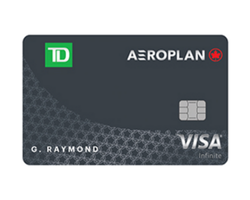
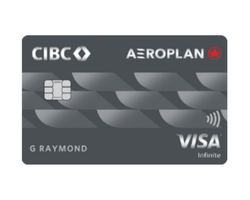
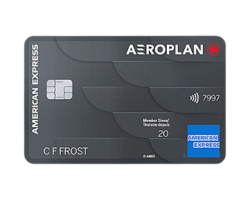
- Aeroplan credit cards. TD, CIBC and American Express issue Aeroplan co-branded cards in Canada, such as the TD Aeroplan Visa Infinite, the CIBC Aeroplan Visa Infinite and the American Express Aeroplan Card. These earn points on every purchase, with higher rates in some categories.
- Transfers from flexible programs. American Express Membership Rewards points transfer to Aeroplan at 1:1 according to Amex’s partner page. This is how cards like the Cobalt feed Aeroplan without being Aeroplan cards.
- Partners. Hotels, car rentals, the Aeroplan eStore and retail partners all award points.
You do not need to fly often to collect a meaningful balance. Most people who redeem regularly earn the bulk of their points on a credit card.
How reward flights are priced
This is the part that confuses beginners. Aeroplan does not have one price per route.
Air Canada flights and some partners use dynamic pricing. The points price moves with demand, a bit like a cash fare. Aeroplan’s Flight Reward Chart shows “starting at” prices by distance flown, plus median prices from real member redemptions. In the August 2026 version, one-way economy within North America starts at:
| Distance flown (one way) | Starting at (Air Canada and select partners) | Median shown on chart |
|---|---|---|
| 0–500 miles | 6,000 points | 13,000 points |
| 501–1,500 miles | 10,000 points | 15,000 points |
| 1,501–2,750 miles | 12,500 points | 17,000 points |
| 2,751+ miles | 17,500 points | 22,900 points |
The median column is the useful one for planning. “Starting at” is the floor on quiet dates. Busy dates like holiday weekends price well above it.
Most other partner airlines use fixed chart prices by distance and zone. That can make partner flights predictable and sometimes cheaper in points than Air Canada on the same route, if there is reward space.
Prices are per person, one way. Taxes and third-party charges are extra and are paid in cash or with points.
Fees to know about
- Partner booking fee. Aeroplan’s Flight Reward Policy charges a fee per ticket when the itinerary includes a partner airline. At the time of writing it is $39 CAD.
- Change and cancellation fees. These depend on the fare type you book. Read the policy before you book anything you might change.
- Taxes and fees. Airport and government charges apply to every reward ticket. Departures from some countries carry higher taxes than others.
Points + Cash
You can pay part of a reward in points and part in cash. That is handy when you are a few thousand points short. Run the value formula from our points value guide before you do it: if you are paying a lot of cash to save few points, buying the ticket outright may be smarter.
What a good redemption looks like
Because prices float, the value of an Aeroplan point is different on every booking. Use this formula:
(Cash fare − taxes and fees you still pay) ÷ points needed × 100 = cents per point
TD’s Aeroplan card page says the majority of its cardholders received $0.02 per point or more on flight redemptions, based on the cardholder bookings it analysed. That is a reasonable benchmark: if a booking works out well below 2 cents, compare it against just paying cash and keeping your points for a pricier trip.
Bookings that often give strong value:
- Peak-season trips where cash fares spike but the points price has not jumped as much.
- Long-haul flights on partner airlines priced on the fixed chart.
- Last-minute trips where cash fares are high and reward seats are still open.
Bookings that often give weak value: cheap short-haul seat sales, and itineraries where taxes and fees are a large share of the cash price.
Family Sharing
Aeroplan Family Sharing lets up to eight verified family members pool their points for free while keeping their own accounts. A few rules from Aeroplan’s page:
- The person who creates the pool (the Family Lead) must be 18 or older and have been a member for at least six months.
- Everyone’s whole balance goes in. You cannot contribute only part of your points.
- The Family Lead decides who can redeem and who can only contribute.
- Members must stay at least three months, and must wait six months after leaving before joining another pool.
- If one member is a primary Aeroplan credit cardholder, everyone in the pool gets that member’s preferred pricing on flight rewards.
For couples and families, pooling usually gets you to a reward much faster than separate balances.
Expiry
Under Aeroplan’s inactivity policy, points expire if your account has no activity for 18 months. Earning or redeeming a single point resets the clock. Points do not expire while you are a primary holder of a TD, CIBC or American Express Aeroplan credit card, or hold Aeroplan Elite Status.
Aeroplan has paused expiry until November 30, 2026. After that date, the normal 18-month rule applies again, so check your account’s inactivity date if you have a dormant balance.
What an Aeroplan credit card adds
Beyond earning points, Aeroplan co-branded cards bundle travel perks. They vary by card, so check the live page. Common examples:
- Preferred pricing on flight rewards for primary cardholders (and their Family Sharing pool).
- No points expiry while you hold the card.
- Free first checked bag on Air Canada flights on mid-tier and premium cards. The TD Aeroplan Visa Infinite page, for example, lists free first checked bags for you and up to eight travel companions.
- Travel insurance such as emergency medical and trip cancellation. See our travel insurance explainer.
- Lounge access and priority services on premium cards like the American Express Aeroplan Reserve.
No-fee options such as the CIBC Aeroplan Visa earn points but carry fewer perks. Whether a fee is worth it usually comes down to the checked bag alone: if two people check bags on a couple of return trips a year, the savings can cover a mid-tier annual fee. Our premium cards guide walks through the year-two math.
Welcome bonuses on Aeroplan cards are subject to both the issuer’s rules and Aeroplan’s terms, which can block a bonus if you recently received one on a similar Aeroplan card. Our welcome bonus eligibility guide explains how that works.
Beginner mistakes to avoid
- Collecting without a plan. Points lose value over time as programs change pricing. Earn with a trip in mind.
- Ignoring taxes. A “free” flight can still cost a few hundred dollars in taxes from some airports.
- Booking the first result. Try nearby dates and partner airlines; prices can vary widely.
- Forgetting the partner booking fee when comparing a partner itinerary against Air Canada.
- Letting points expire after cancelling an Aeroplan card. Keep the account active.
FAQ
Is Aeroplan free to join? Yes. You can create an account on aircanada.com and start earning right away.
How many Aeroplan points do I need for a flight? It depends on distance, cabin and demand. One-way economy within North America starts at 6,000 points for short flights, but typical prices are higher. Check the medians on the Flight Reward Chart and search your dates.
Can I use Aeroplan points on airlines other than Air Canada? Yes. Aeroplan partners include Star Alliance airlines and others listed on aircanada.com. A partner booking fee applies per ticket.
Do I need an Aeroplan credit card to use Aeroplan? No. You can earn from flying, partners and Amex Membership Rewards transfers. An Aeroplan card adds perks like preferred pricing and no expiry.
What is the difference between Aeroplan and Aeroplan Elite Status? Aeroplan points are what you redeem. Elite Status is earned through flying and qualifying spend, and adds benefits like priority services and upgrades.
What to do next
Open a free Aeroplan account if you do not have one, decide whether your spending suits an Aeroplan card or a flexible currency like Membership Rewards, and compare options on the travel hub. If you are torn between programs, our guide to choosing a travel card and the RBC vs TD vs Scotiabank comparison can help.