Amex Cobalt vs Gold Rewards in Canada (2026)
Cobalt wins restaurants, delivery, and stand-alone grocers up to its monthly cap. Gold Rewards wins travel, drugstores, and travel perks. Pick by category, not by the metal colour.
By Andrew Updated How we review cards

Choose American Express Cobalt if eats and drinks — restaurants, cafés, bars, food delivery, and stand-alone grocery stores — are the biggest bucket and mostly fit under Cobalt’s monthly 5x cap. Choose American Express Gold Rewards if travel bookings and drugstores matter, your grocery-plus-dining spend runs well past that cap, or you will actually use a yearly travel credit and some lounge visits. Both earn Membership Rewards. Gold comes with a Priority Pass membership and a handful of complimentary Plaza Premium visits in Canada; Cobalt has no lounge benefit. Fees and welcome offers change — confirm them on the live card pages, not from memory.
This is a Canada-only comparison. U.S. Gold and U.S. Cobalt are different products with different credits and networks. If you only fly Air Canada and think in Aeroplan, also open the American Express Aeroplan Card before you assume Membership Rewards is the right currency.
The short answer
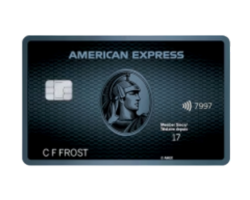
Cobalt is priced as a monthly membership and pays 5x on what American Express calls “eats & drinks”: eligible restaurants, bars, cafés, stand-alone grocery stores, and food and grocery delivery in Canada, up to a combined $2,500 in purchases per month. After that, those categories drop to 1x until the next month. Cobalt also pays 3x on eligible streaming and 2x on eligible gas, transit, and ride share. Gold Rewards bills a yearly fee and pays 2x on eligible travel plus 2x on eligible gas, grocery, and drugstore spend in Canada. Dining on Gold is ordinary 1x. Drugstores and travel on Cobalt are ordinary 1x.
So on groceries, Cobalt’s 5x beats Gold’s 2x — as long as the grocer is a stand-alone grocery store and your restaurant spend has not already used up the monthly cap. Gold’s case is travel, drugstores, very large monthly food bills, and the travel perks bundled into the annual fee.
Households that blow through Cobalt’s monthly cap on restaurants and groceries sometimes hold both. Add the two fees first. If the combined membership is larger than the extra points you will actually redeem toward travel, one card plus a no-annual-fee cash-back card is cleaner.
| Decision | Cobalt | Gold Rewards |
|---|---|---|
| Best when | Dining, delivery, and stand-alone grocers, within the monthly cap | Travel bookings, drugstores, and food spend well past Cobalt’s cap |
| Weak when | Drugstores, travel, and superstores are the big bills | Restaurants and groceries fit comfortably under Cobalt’s cap |
| Fee shape | Monthly membership | Annual fee |
| Extra cards | Typically $0 extra | First extra Gold often included; further cards cost |
| Lounge / travel credit | None | Annual travel credit (Amex Travel Online), Priority Pass membership (visits charged), four Plaza Premium visits a year in Canada, NEXUS credit every four years |
| Currency | Membership Rewards | Membership Rewards |
Open the current fees on the Cobalt and Gold Rewards pages before you treat either card as cheaper. Monthly versus yearly billing changes how the fee feels, not whether it is real.
How Membership Rewards actually pays you
Both cards dump points into the same Canadian Membership Rewards pool. That is useful if you later add The Platinum Card — you are not splitting currencies. It is less useful if every redemption is an Air Canada flight reward. Transferring Membership Rewards to Aeroplan can work, but a cobrand that earns Aeroplan skips the conversion step.
Redeeming as a statement credit is the simple door and usually the weaker cents-per-point. Transferring to airline or hotel partners is the stretch door. If you will only ever cash out, a cash-back Amex such as SimplyCash Preferred may be less work than learning partner charts.
Category codes follow American Express, not your receipt. Both cards’ grocery rates are for stand-alone grocery stores; Gold’s terms specifically exclude superstores, wholesale clubs, and general merchandise retailers. A grocery-store hot bar, a restaurant inside a hotel, a pharmacy counter inside a grocer, or a warehouse club can miss the bonus bucket. Costco Canada does not take American Express. Keep a Visa or Mastercard for the till that declines Amex — that is still a real constraint in smaller towns and some independent grocers.
Neither card is a no-foreign-transaction-fee card. American Express Canada’s cardmember agreements add a currency conversion commission on non-CAD purchases, at the rate set out in each card’s information box (commonly 2.5%). If you spend a lot abroad, a no-FX Visa such as Scotiabank Passport Visa Infinite is the better trip card. Confirm the current rate in the information box before you travel.
Cobalt: the eats-and-drinks card
Cobalt exists because 5x on eligible eats and drinks in Canada is still one of the strongest restaurant and grocery rates in the country. The 5x bucket covers restaurants, bars, cafés, stand-alone grocery stores, and food and grocery delivery, up to a combined $2,500 in purchases a month; after that it is 1x until the 1st. American Express also lists 3x on eligible streaming and 2x on eligible gas, transit, and ride share, with 1x on everything else, plus one extra point on eligible hotel and car-rental bookings through Amex Travel Online. Confirm those multipliers on the live page — they are the reason to pay the monthly fee.
The welcome offer is not a single lump after one spend hurdle. You typically earn a slice of points in each monthly billing period where you hit a purchase threshold, up to a first-year cap. Miss a quiet month and that slice is gone. Current or former Cobalt cardmembers are usually excluded. Read the eligibility line before you apply for a “second” bonus.
Cobalt is also a strong supermarket card — with two catches. The grocer has to code as a stand-alone grocery store (superstores, warehouse clubs, and big-box general retailers usually do not, and Costco does not take Amex at all), and groceries share the $2,500 monthly cap with restaurants and delivery. A household that spends heavily on both can hit the cap mid-month; past it, everything in the bucket earns 1x. See best grocery credit cards in Canada if the grocer is the real decision.
Cobalt is not a travel-perks card: no lounge benefit and no annual travel credit. It does carry travel insurance for a card at this price, including emergency medical coverage for cardholders under 65 (first 15 days of a trip), car rental theft and damage, flight and baggage delay, and mobile device insurance. It does not include the trip cancellation and trip interruption coverage that Gold adds.
Additional Cobalt cards currently list no extra annual cost, which helps a household put more restaurant bills on the same product. Confirm that on the application.
Gold Rewards: the household earn card
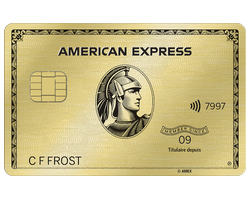
Gold Rewards is the mid-tier Membership Rewards card: 2x across travel, gas, grocery, and drugstore rather than Cobalt’s concentrated 5x, a yearly fee, and a set of travel perks Cobalt does not have. Eligible travel — flights, hotels, car rentals, cruises, and similar — earns two points per dollar in our current review. Eligible hotel or car-rental bookings through Amex Travel Online can add another point on top. Dining is 1x.
The first additional Gold Rewards card is a meaningful household perk. Further extras cost. Couples who will both put groceries and gas on Amex should price that structure against two Cobalt cards (often $0 extra) or one Gold plus a no-fee Visa.
Welcome-bonus value on Gold has often been large relative to the annual fee for new cardmembers who complete the offer. Current or former Gold Rewards cardmembers are typically ineligible. The detailed unlock text is sometimes thin — write down the spend hurdle and deadline from the issuer page. Year one can look attractive on paper; year two is only the fee versus ongoing 2x earn.
The perks are where Gold separates itself. American Express lists a $100 annual travel credit (one booking of $100 or more through Amex Travel Online each cardmembership year), a Priority Pass membership with the membership fee waived (each lounge visit is still charged at the prevailing rate), four complimentary Plaza Premium lounge visits per calendar year in Canada, and a $50 NEXUS statement credit every four years. Insurance adds trip cancellation, trip interruption, and $500,000 travel accident coverage on top of the Cobalt-style emergency medical, car rental, baggage, and delay coverage. If you will book one trip through Amex Travel each year, the travel credit alone offsets a real slice of the fee.
Gold is still not a budget Platinum. Four Plaza Premium visits and pay-per-visit Priority Pass are a smaller lounge benefit than the Global Lounge Collection. From January 1, 2027, The Platinum Card’s complimentary Plaza Premium and Priority Pass visits are a limited annual number unless the spend unlock applies; other lounges in that collection stay unlimited. If you want that collection and the larger travel and dining credits, read the Platinum review and whether premium fees are worth it.
A simple way to choose without overcomplicating the math
- Pull three months of statements. Split spend into dining/delivery, grocery, gas/drugstore, travel bookings, and everything else.
- Ignore interest. If you carry a balance, neither card is the product — see low-interest versus rewards.
- Apply Cobalt’s 5x to dining, delivery, and stand-alone grocery combined, up to $2,500 a month (1x above that), its 3x to streaming, and its 2x to gas and transit. Apply Gold’s 2x to grocery, gas, drugstore, and travel. Treat everything else as 1x on both. Add the value of Gold’s travel credit only if you will really book through Amex Travel.
- Subtract each card’s current yearly cost from the live card page. Cobalt’s monthly fee times twelve is the yearly cost.
- If one card wins by a wide margin, stop. If they are close, prefer the card whose bonus category you cannot easily move to a $0 Visa.
You do not need a precise cents-per-point. You need to know whether food fits under Cobalt’s cap and whether Gold’s travel perks are things you will use. Most households already know.
When a third Amex is the honest answer
Platinum is a travel-membership invoice: lounge access, credits you have to remember to book, and 2x on dining and travel. It is a weak grocery card. Do not buy Platinum to “win” the Cobalt-versus-Gold debate.
Aeroplan Card is for people who already book Air Canada and want Aeroplan, not a flexible bank currency. Grocery coverage on Amex Aeroplan products is often weaker than Visa cobrands. If supermarket acceptance is the constraint, a TD Aeroplan Visa Infinite may fit better than any Amex.
SimplyCash Preferred is the cash-back Amex: capped grocery/gas cash back and a 2% catch-all, billed as a monthly fee. Choose it if you will not transfer points and you already live on the Amex network.
Browse the full American Express lineup before you apply for two products in the same week. Amex Canada welcome-bonus rules are strict about current and former cardmembers.
Merchant acceptance and the backup card
American Express acceptance in Canada has improved at chains and online checkouts. It is still not Visa or Mastercard. Independent restaurants — ironically Cobalt’s best category — are the most likely to decline Amex in smaller cities. Grocer banners vary. You need a backup network card regardless of which Amex you pick.
A practical pair for many households:
- Cobalt or Gold for the bonus categories that take Amex
- A $0 Mastercard such as Tangerine Money-Back for the rest, including grocers that skip Amex
That pair is often cheaper than two paid Amex cards and still covers the till.
Common mistakes
- Assuming Gold is the grocery card. At stand-alone grocers, Cobalt’s 5x beats Gold’s 2x until you hit Cobalt’s monthly cap. Gold wins grocery only for very large monthly food spend, and neither card pays its bonus at superstores or warehouse clubs.
- Buying Gold for “lounge access” you will not use. Priority Pass visits are charged per visit; only four Plaza Premium visits a year are complimentary.
- Chasing the larger welcome headline. Gold’s first-year bonus can look bigger; Cobalt’s offer is paced monthly. Neither bonus is available if you already held the card.
- Ignoring the second-year fee. Welcome math is a first-year story. Cancel or downgrade if year-two earn does not cover the membership.
- Using either card as a borrowing product. Purchase rates on rewards Amex cards will erase a 5x dining rate in one cycle.
What to do next
Read the live Cobalt and Gold Rewards pages for current CAD fees and offers. If groceries are the real question, open the grocery hub. If you want a short list from the whole catalog, use the finder.
This is not financial advice. Approval is never guaranteed. Verify every fee, category definition, and welcome rule with American Express before you apply.