Car Rental Insurance on Credit Cards in Canada: How CDW Coverage Works
Your credit card may let you skip the rental counter's collision damage waiver. Here's what that coverage actually includes, the limits that catch people, and what you still need.
By Andrew Updated How we review cards
Many Canadian credit cards include car rental collision and loss damage insurance, often called CDW or LDW coverage. It pays for damage to, or theft of, the rental car itself, so you can decline the rental company’s own damage waiver. It doesn’t replace liability insurance or cover injuries. The details, especially rental length and vehicle value limits, vary by card.
What card rental coverage includes
Card coverage is generally designed to replace the rental company’s collision/loss damage waiver. Depending on the certificate, it typically covers:
- Damage to the rental vehicle from a collision
- Theft of the vehicle, or damage from an attempted theft
- Often, related charges the rental company can bill you for, such as loss of use, towing or administrative fees (check the certificate)
What it doesn’t cover
- Third-party liability. Damage to other vehicles or property, and injuries to other people. In Canada, rental cars come with the legal minimum liability coverage, and your own auto policy may extend more. Card CDW is not liability insurance.
- Injuries to you or your passengers.
- Personal belongings in the car. Those may fall under home or tenant insurance.
- Excluded vehicles. Certificates usually exclude certain vehicles, such as exotic cars, large vans, trucks and vehicles above a value limit.
The limits that matter most
Rental length. Coverage applies only to rentals up to a set number of consecutive days. Several cards list 48 days:
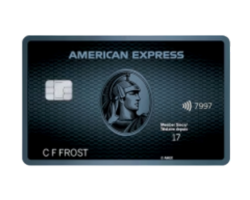
- American Express Cobalt: Car Rental Theft and Damage, rentals of 48 days or less, MSRP up to $85,000
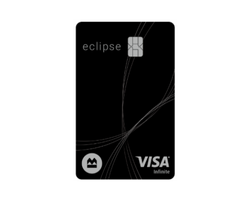
- BMO eclipse Visa Infinite: rentals up to 48 days, MSRP up to $65,000
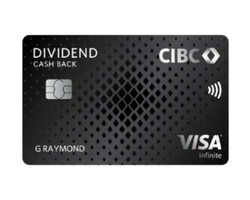
- CIBC Dividend Visa Infinite: rentals up to 48 days, MSRP up to $85,000
- TD Aeroplan Visa Infinite: auto rental collision/loss damage, up to 48 consecutive days
If you rent for longer than the limit, some certificates won’t cover any part of the rental, not just the extra days. Don’t plan to extend a rental past it.
Vehicle value. Many certificates cap the manufacturer’s suggested retail price (MSRP) of the car. A luxury upgrade at the counter can put you over the limit without you noticing.
How to make sure you’re covered
Card certificates usually set a few conditions. Check yours, but the common ones are:
- Pay for the entire rental with the card that carries the coverage.
- Decline the rental company’s CDW/LDW (or any similar waiver) on the rental agreement. If you accept it, the card coverage typically doesn’t apply.
- Make sure every driver is listed on the rental agreement.
- Inspect the car before you leave and take photos of any existing damage.
- If something happens, report it to the rental company and the card’s insurer right away, and keep every document: the rental agreement, damage report, repair estimate, and police report if there’s one.
No-fee and low-fee cards with rental coverage
You don’t always need a premium card for this benefit:
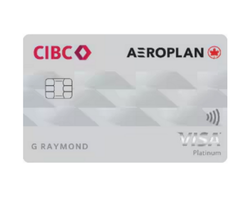
- CIBC Aeroplan Visa ($0): Car Rental Collision and Loss Damage Insurance.
- CIBC Aeroplan Visa for Students ($0): Car Rental Collision and Loss Damage Insurance.
- Triangle World Elite Mastercard ($0, income requirement applies): car rental collision/loss damage waiver insurance.
- RBC Visa Platinum ($0): RBC lists Auto Rental Collision/Loss Damage Waiver Insurance.
Paid cards with broader travel packages, like the Scotiabank Passport Visa Infinite and RBC Cash Back Preferred World Elite, also include rental collision/loss damage coverage.
Renting outside Canada
Card coverage usually works worldwide, but some countries require you to buy local coverage, and some rental companies push hard for their own waiver. Check the certificate’s list of excluded countries and vehicle types, and bring a printed or saved copy of your coverage details. For other travel coverage, see travel insurance on credit cards.
FAQ
Can I decline all the rental company’s insurance? You can decline the collision/loss damage waiver if your card covers it. Liability is a separate question. Check what’s included with the rental and what your own auto policy covers.
Does car-sharing count? Often not. Many certificates exclude car-sharing and peer-to-peer rentals. Check the wording.
Does the coverage apply if I use points to pay? Some certificates allow it, some don’t. Confirm before you book.
What to do next
Compare cards with rental coverage on the travel hub. Then read the card’s insurance certificate, especially the rental length, MSRP limit and excluded vehicles, before your next rental.
This is not financial advice. Coverage terms vary by certificate.