Who this card is for
A good fit if you…
- Households that spend enough on groceries for a 5% category to matter — this is the card’s entire personality.
- People who also pay transit, ride share, gas or EV charging, and recurring bills and can park those on the same Mastercard.
- Applicants who meet World Elite income requirements (personal or household figures are in the eligibility section) and have not declared bankruptcy in the past seven years.
- Cash-back fans who do not want to learn a points currency or an airline chart.
Skip it if you…
- Light grocery spenders. If the supermarket is not a major bill, the annual fee will feel like a membership in a club you do not visit.
- Air Canada or Scene+ collectors who would rather have travel points than statement credits.
- Applicants who cannot meet the World Elite income test. BMO also issues a regular CashBack Mastercard and a student version.
- Anyone who revolves a balance. A 5% grocery rate is meaningless next to 20%+ interest.
Pros and cons
Pros
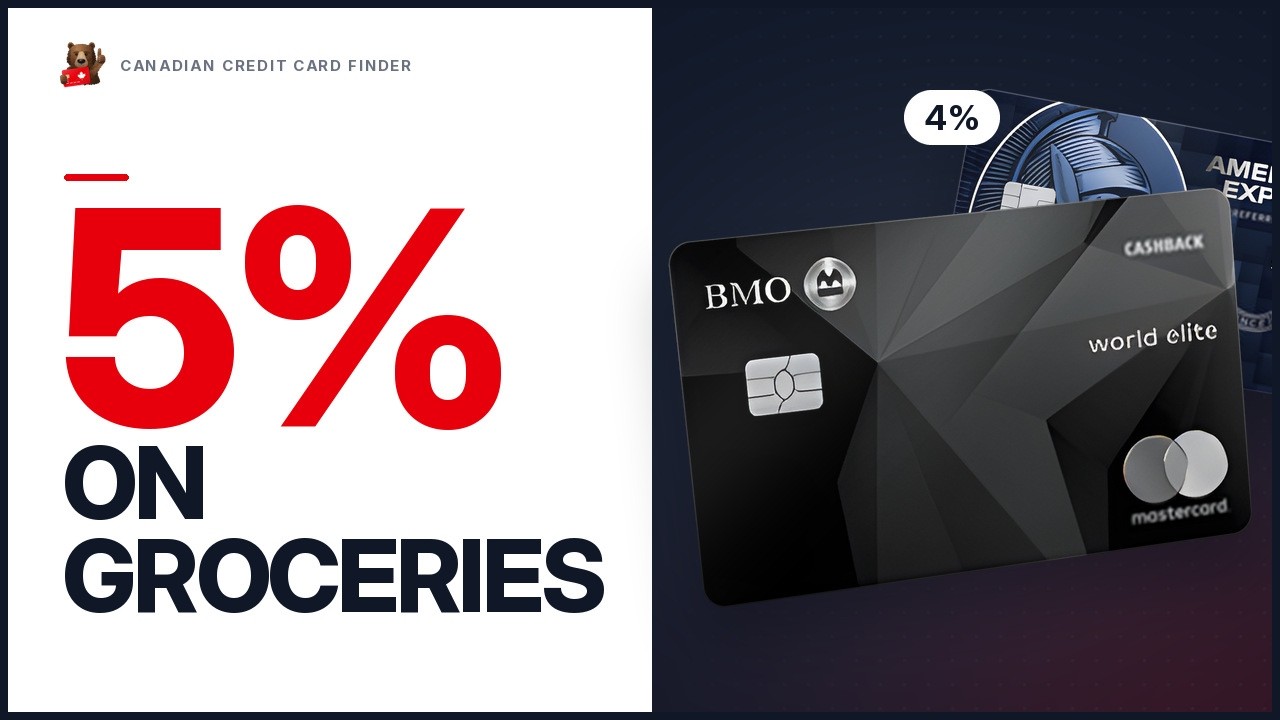
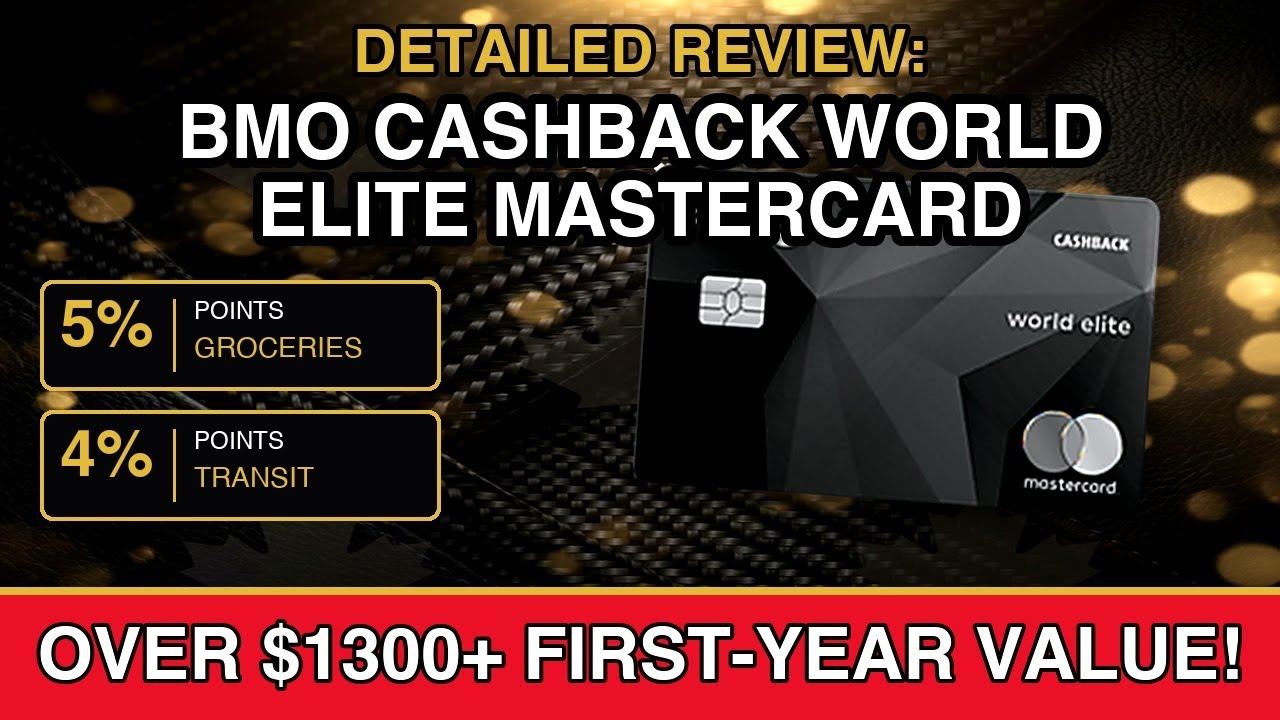
- 5% cash back on groceries is the rare headline that still sounds aggressive in Canada; the detailed features currently call it the highest grocery cash-back earn rate in the country.
- 4% transit (including ride share, taxis, and public transportation) and 3% gas plus EV charging cover commuting, not just the weekly shop.
- 2% on recurring bills such as phone, gym, and streaming is a quiet win if you actually code those as recurring.
- 1% on everything else means the card does not fall off a cliff outside bonus categories.
- The current welcome package stacks monthly cash back, a first-year annual-fee rebate, and roadside assistance into a large “up to” value.
Cons
- World Elite income thresholds lock out a lot of otherwise good cash-back customers.
- After year one, the annual fee returns unless a new promotion says otherwise. Grocery spend has to keep clearing that bar.
- Additional cards currently carry their own annual fee.
- Merchant coding will fight you: a warehouse club, a restaurant inside a grocer, or a “grocery” delivery app may not pay 5%.
- Cash back is simple, but it will not book a lie-flat seat the way a well-used Aeroplan cobrand can.
Fees and value: is the annual fee worth it?
First-year snapshot (estimate)
- Annual fee
- $139
- Estimated welcome bonus value
- up to $650
- Bonus minus fee (estimate)
- $511
This is a simple comparison of the estimated welcome-bonus value against the annual fee. It ignores rewards on spending, credits you have to remember to use, and interest if you carry a balance. Offers change — verify with the issuer.
Start with the annual fee in the table. The current welcome-bonus detail describes a first-year annual-fee rebate, monthly cash-back chunks tied to a high minimum spend, and a roadside-assistance item, marketed together as first-year value.
If you are a new cardmember who actually spends at that monthly pace, year one can look excellent because the fee may be rebated and the cash back is paid in cash, not in a made-up point value. Year two is the full fee versus 5% groceries and the other bonus categories.
Do a simple check: grocery spend times 5%, plus smaller categories, minus the ongoing fee. If that net is smaller than what a $0 card would pay you, do not keep World Elite for the metal.
Offers change; minimum-spend cash back is easy to miss if your grocery month is light.
Rewards and earn rates explained
Rewards program: Cash Back
This card pays cash back, not points. The current stack is 5% on groceries, 4% on transit (ride sharing, taxis, public transportation), 3% on gas and EV charging, 2% on recurring bills (phone, gym, streaming, and similar), and 1% on everything else.
Those percentages only apply when the merchant category matches BMO’s rules. A big-box banner, a meal kit, or a delivery platform can land in 1%.
Cash back is typically redeemed as a statement credit, which is the point of the product: no transfer partners, no award charts. If you also want travel insurance and World Elite extras, read BMO’s certificate of insurance before you count on coverage.
Welcome bonus: how to unlock it
Get up to $650 in value
The current offer is a bundle, not a single grocery bonus: monthly cash back if you hit a high spend floor each month in the first year, an annual-fee rebate for that first year, and roadside assistance, added up to an “up to” value. That monthly spend floor is steep.
Miss it and the cash-back portion of the welcome math collapses even if the fee is still rebated. Eligibility wording is thin and mostly restates the first-year value.
Assume BMO will exclude people who already hold or recently held the card, as most issuers do, and read the live application. Do not force extra spend to hit $2,000-class months if that is not your life.
Welcome bonus eligibility: Get up to $650 in value and the annual fees waived in the first year
FAQ
Is the BMO CashBack World Elite Mastercard worth it?
It is worth it when grocery spend is high enough that 5% minus the annual fee still beats a no-fee 2–3% card, and when you qualify on income. It is not worth it as a travel-points substitute or as a card for someone who picks up groceries once a week on a small bill.
Is the annual fee waived in the first year?
The current welcome offer includes a first-year annual-fee rebate as part of the advertised value. That is an offer, not a permanent $0 card. Confirm it on BMO’s page, and budget for the full fee in year two.
Does this card charge foreign-exchange fees?
Most Canadian World Elite Mastercards add a foreign-conversion fee on foreign-currency purchases. This is a grocery card, not a no-FX travel card. For overseas spend, compare Scotiabank Passport Visa Infinite, and confirm BMO’s current FX rate in the agreement.
BMO CashBack World Elite vs the regular BMO CashBack Mastercard?
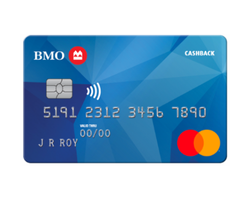
The regular BMO CashBack Mastercard is the lower-fee, lower-earn sibling and is easier to qualify for. World Elite is the 5% grocery product with World Elite income rules. If you cannot meet the income bar, the regular card is the honest BMO cash-back option.
BMO CashBack World Elite vs Rogers Red World Elite?
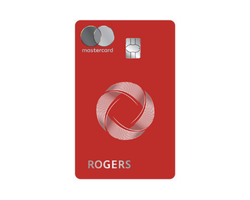
Rogers Red World Elite has no annual fee and pays extra value toward Rogers-brand bills and USD spend. BMO costs more and pays more at the grocery till. Choose BMO for supermarket spend; choose Rogers if the bill credit and $0 fee matter more.
Compare related cards and guides
More Canadian credit card lists that match this product, plus a few cards people usually compare it with.
- BMO CashBack Mastercard review · BMO · $0 annual fee
- Rogers Red World Elite Mastercard review · Rogers Bank · $0 annual fee
- Tangerine Money-Back Credit Card review · Tangerine · $0 annual fee