Business credit cards are essential tools for Canadian entrepreneurs, offering rewards on business spending, building credit history, and separating personal and business finances. This comprehensive guide compares the best business credit cards for 2026, from startups to established enterprises.
Why Your Business Needs a Dedicated Credit Card
Separating business and personal finances is crucial for several reasons:
- Simplified accounting: All business expenses on one statement
- Tax preparation: Clear separation for CRA deductions
- Business credit building: Establish credit for your company
- Higher spending limits: Cards designed for business cash flow
- Employee cards: Issue cards to team members with spending controls
- Rewards optimization: Earn points on business spending categories
Pro Tip: Even solo entrepreneurs and freelancers benefit from business cards. Personal liability protection, better rewards on business categories, and professional credibility make them worthwhile.
Best Business Credit Cards in Canada
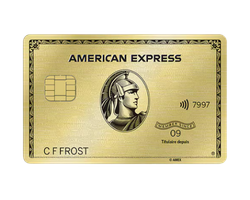
1. Best for Travel Rewards: American Express Business Gold Rewards Card
The American Express Business Gold Rewards Card is the gold standard for business travel:
- 2x points on 3 business spending categories you choose (gas, travel, advertising, etc.)
- 1x point on all other purchases
- Welcome bonus: Up to 70,000 Membership Rewards points
- $250 annual fee (offset by rewards)
- Business travel insurance package
- Expense management tools
Why it's the best: Flexible rewards transfer to airline partners, comprehensive insurance, and generous earn rates on business spending make this the top choice for businesses with travel needs.
2. Best for Cash Back: BMO CashBack Business Mastercard
For businesses valuing simplicity:
- 1.75% cash back on all purchases
- No annual fee
- Up to 22 interest-free days
- Purchase protection and extended warranty
- Liability waiver for fraudulent charges
Best for: Startups and small businesses wanting straightforward cash back without fees.
3. Best for Startups: CIBC Aventura Visa for Business
Designed for growing businesses:
- 2 Aventura points per $1 on travel, shipping, and telecommunications
- 1.5 points per $1 on gas and other business purchases
- 1 point per $1 on everything else
- Welcome bonus: Up to 35,000 Aventura points
- $120 annual fee (waived first year)
- CIBC business banking integration
Best for: Businesses that bank with CIBC, offering seamless integration with business accounts.
4. Best for High Spenders: RBC Avion Visa Business
For businesses with significant monthly expenses:
- 1.25 Avion points per $1 on every purchase
- No earning caps—unlimited rewards
- Premium Avion travel benefits
- $175 annual fee
- Up to 9 supplementary cards at $35 each
- Comprehensive travel insurance
Best for: Large businesses with $5,000+/month in expenses where unlimited earning potential matters.
5. Best for No Fee: Scotia No-Fee Visa Business Card
Simplicity without the cost:
- 1% cash back on all purchases
- No annual fee
- Up to $5,000 employee spending limits
- Scotia Scene+ points redeemable for travel, movies, merchandise
- Purchase security and extended warranty
Understanding Business Card Categories
Corporate Cards vs Small Business Cards
| Feature | Small Business Card | Corporate Card |
|---|---|---|
| Annual Revenue | Under $5M | $5M+ or 250+ employees |
| Personal Guarantee | Usually required | Not always required |
| Rewards | Points/Cashback for owner | Centralized management |
| Annual Fee | $0-$250 | Custom pricing |
Qualifying for a Business Credit Card
Requirements vary by issuer, but generally include:
- Business registration: Corporation, sole proprietorship, or partnership
- Business credit history: Or personal credit guarantee for new businesses
- Revenue proof: May require $50,000+ annual business revenue
- Time in business: Some require 1+ years of operation
- Personal income: Often $50,000+ personal/household income
Good News: Startups and new businesses can often qualify using personal credit history and income guarantees. Issuers understand that new businesses need time to establish credit.
Maximizing Business Card Rewards
Strategic Spending Categories
Most business cards offer bonus categories:
- Office supplies: 2-4x points at Staples, Amazon Business, etc.
- Telecommunications: Phone, internet, and cable bills
- Shipping: FedEx, UPS, Purolator, Canada Post
- Advertising: Facebook Ads, Google Ads, LinkedIn
- Travel: Flights, hotels, ground transportation
- Dining: Business meals and entertainment
- Software: SaaS subscriptions, cloud services
Employee Card Strategies
Issue cards strategically:
- Set spending limits: Per-card and monthly maximums
- Restrict categories: Some cards allow category restrictions
- Centralized billing: All charges on one master statement
- Earn rewards centrally: Points go to the primary account
- Track expenses: Use issuer expense management tools
Tax Considerations
Business credit card rewards have different tax treatments:
- Personal use points: Generally not taxable (CRA views as discounts)
- Business expenses: Rewards reduce the deductible expense amount
- Sign-up bonuses: May be considered income in certain structures
- Redeemed for personal use: May create personal benefit (consult accountant)
Recommendation: Consult a tax professional for personalized advice on rewards and deductions.
Common Business Card Mistakes
- Mixing personal and business spending: Makes accounting messy and may violate terms
- Not utilizing bonus categories: Missing 2-4x earning opportunities
- Carrying balances: Interest negates rewards (pay in full monthly)
- Too many cards: Dilutes welcome bonuses and complicates management
- Ignoring employee spending: Not reviewing supplementary card usage
- Missing annual fee breakeven: Paying fees without earning enough rewards to justify
The Bottom Line
Business credit cards are powerful financial tools when used strategically. The American Express Business Gold Rewards offers premium rewards for established businesses, while the BMO CashBack Business Mastercard provides simplicity for new ventures. Choose based on your spending patterns, employee needs, and accounting preferences.
Remember: The goal is to optimize rewards while maintaining clean financial records. A well-chosen business card saves time, earns rewards, and builds your company's credit history.
Frequently Asked Questions
Do I need a registered business to get a business credit card?
Not always. Many issuers accept sole proprietors, freelancers, and gig workers using business names or personal names. However, having a registered business (corporation, partnership, etc.) typically unlocks higher credit limits and better card options. You may need to provide business registration documents.
Will a business credit card affect my personal credit score?
Most Canadian business cards require personal guarantees, meaning issuers can report to personal credit bureaus for defaults or late payments. However, regular responsible usage typically only reports to business credit bureaus (Equifax and TransUnion have business divisions). Corporate cards (for large businesses) usually don't require personal guarantees.
Can I get a business credit card with bad credit?
It's challenging but possible. Options include: (1) Secured business cards requiring a deposit, (2) Cards designed for building business credit, (3) Cards with higher personal income requirements that offset business credit concerns. Consider starting with a personal card used exclusively for business to establish history.
Are welcome bonuses on business cards taxable?
Generally not, but it depends. Points and cash back rewards from spending are considered rebates/discounts and aren't taxable. However, large sign-up bonuses without spending requirements may be treated as income. Consult an accountant, especially if redeeming rewards for personal use from a business card.
How many business credit cards should I have?
Most businesses benefit from 2-3 cards: (1) Primary card for maximum rewards on main categories, (2) Backup card for different bonus categories or if primary is declined, (3) No-fee card for specific uses. Too many cards complicate accounting and potentially fragment your credit profile.
What is the best business credit card for startups?
For startups, consider the CIBC Aventura Visa for Business (waived first-year fee, good points structure) or the BMO CashBack Business Mastercard (no annual fee, simple 1.75% on everything). Both are accessible to new businesses and provide value without requiring established revenue or credit history.